

When most people first discover matcha, they learn the basics: look for vivid green powder, choose first-harvest “ceremonial” grade, over dull culinary grades, and whisk at 75°C to avoid bitterness.
Once you appreciate high-grade Japanese matcha, a whole new layer opens up: cultivars and single origins. This is something we thoroughly enjoy sharing with our customers, as there is a whole new world out there to deep dive once your matcha journey commences!
Just as specialty wine connoisseurs explore the difference between a Pinot Noir and a Cabernet Sauvignon, or specialty coffee lovers seek out single-origin Geishas… the variety of the tea plant (Camellia sinensis) dictates the natural flavour profile… i.e the natural sweetness, aroma, and umami in your cup.
If you’ve wondered what words like Tsuyuhikari or Okumidori mean on a tin, or whether a single-cultivar tin is right for you… here is a breakdown of Japanese matcha cultivars and the craft of blending.
At a Glance: Which One Fits Your Routine?
For everyday, velvety balance & smooth lattes: We like to recommend Okumidori (found in our Hillside Single Cultivar). Gentle, naturally sweet, with near-zero bitterness. OR our Bayside
For bold nutty notes & rich umami: Our Tsuyuhikari (found in our Limited Release from Yame) does the trick.
For the ultimate complex, traditional bowl: Choose a cultivar blend like our Three Cultivar Blend, combining harvest strengths into one balanced profile.
Explore all our first-harvest tins and 100g eco-refills in the Zenergi Matcha Shop. Free shipping across Australia on orders $75+.
What Exactly Is a Tea Cultivar?
All authentic matcha comes from the tea plant species Camellia sinensis. Over centuries, Japanese farmers and agronomists have selectively cultivated distinct varieties (cultivars) tailored to specific microclimates, soil compositions, and harvest timelines.
Different cultivars exhibit unique characteristics:
Bud break timing: Early-sprouting cultivars (like Saemidori) versus late-sprouting cultivars (like Okumidori) that benefit from extended mountain mist.
Amino acid density: High concentrations of L-Theanine create the sweet, savory "umami" flavour matcha is revered for.
Natural color depth: Chlorophyll levels vary by cultivar, producing tones from luminous chartreuse to deep jewel-emerald.
Most supermarket or commercial matchas are mass-blended from unknown, late-season leaves. Specialty Japanese matcha, by contrast, is traceable right down to the specific cultivar, garden, and harvest season.
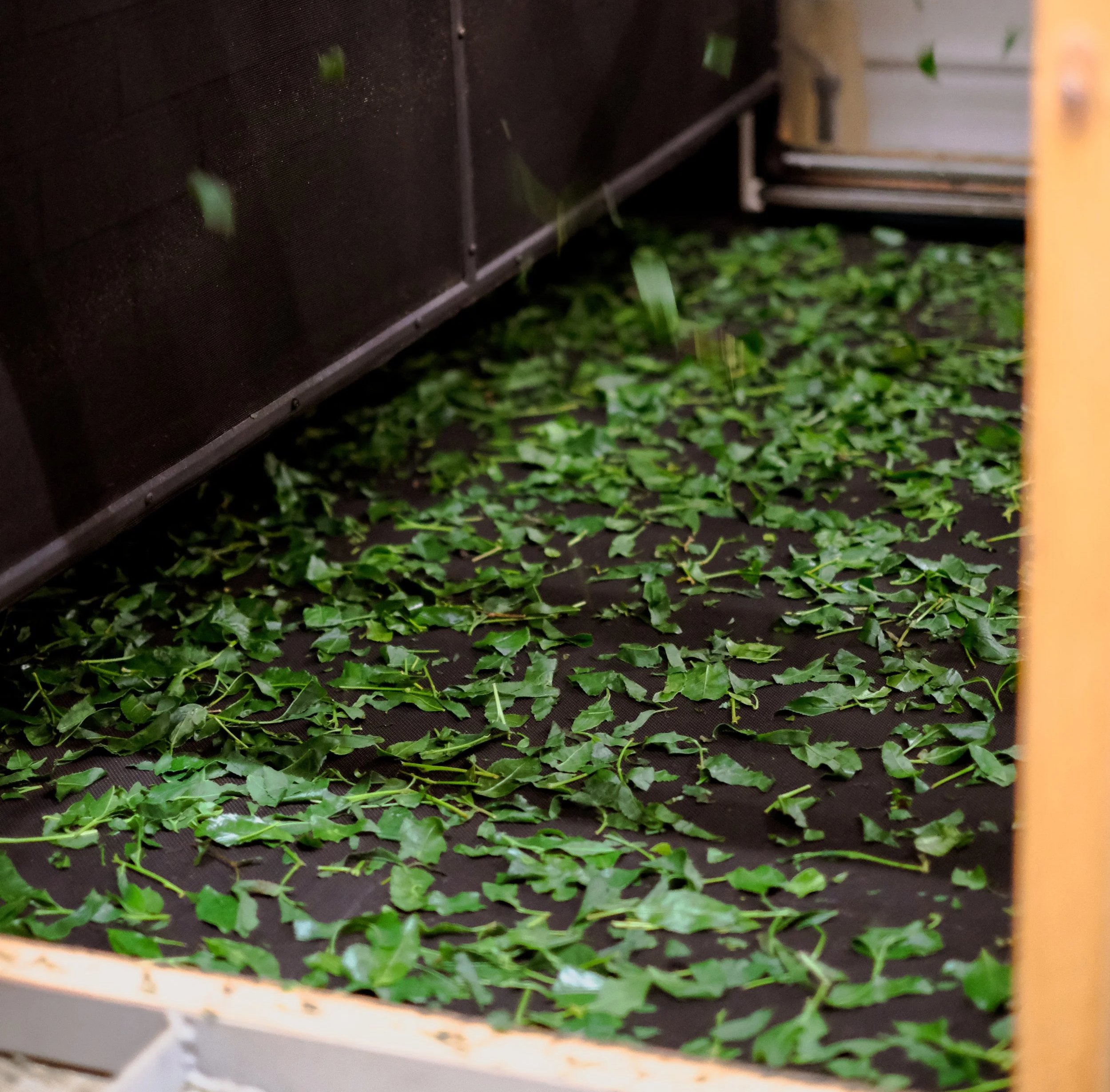
Tencha processing, Wazuka, Japan 2026.
Single Cultivar vs. Blend: Which Is Better?
There is a common misconception that single-cultivar matcha is always "better" than a blend. In reality, neither should be considered as “better” than the other as each serve a purpose. And ultimately, what you like is dependent on your unique taste preferences.
Rather than masking flaws, a carefully considered blend can elevate each variety to form a matcha that is more balanced than any single component could achieve on its own. This is why we love recommending to our customers to enjoy our Three Cultivar blend as a tea, as you will notice the complexity… it’s a journey!
Terroir: Why Growing Region Matters
Cultivars don’t exist in a vacuum; the soil, altitude, and climate shape how those genetics express themselves:
Uji (Kyoto Prefecture): The historic cradle of Japanese tea culture. Cool river fogs and limestone-rich soils produce classical, refined, deeply nuanced profiles.
Yame (Fukuoka Prefecture):Celebrated for nutrient-rich volcanic soils, high day-to-night temperature swings, and prolonged mountain mist. Yame is renowned throughout Japan for producing teas with natural sweetness and rich, brothy umami.
Kirishima/Kagoshima: Warm southern climates producing pristine, certified organic cultivars nourished by volcanic mineral soils. Matcha from here is often considered the most nutritionally dense matcha.
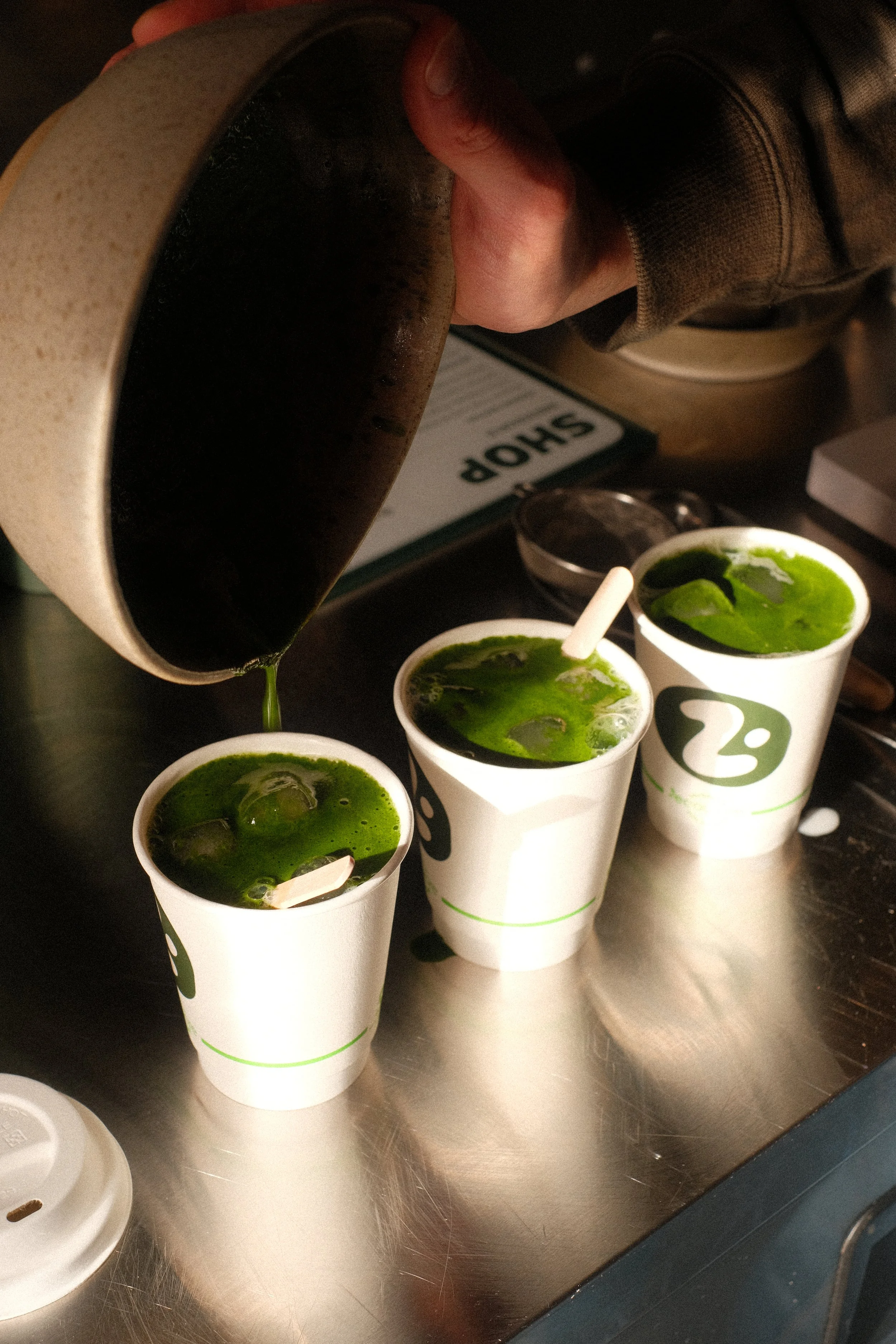
Whether you prefer the silkiness an Okumidori cultivar, the bold, buttery richness of a Tsuyuhikari from Yame, or the layered harmony of a Three Cultivar Blend, every tin at Zenergi is freshly imported directly from family-run tea farms in Japan.
Drinking matcha daily? Save on packaging and enjoy uninterrupted mornings with our 100g Eco-Refill Pouches.
Enjoy complimentary Australia-wide shipping on all orders over $75.
Any questions? Get in touch! hello@zenergimatcha.com.au